



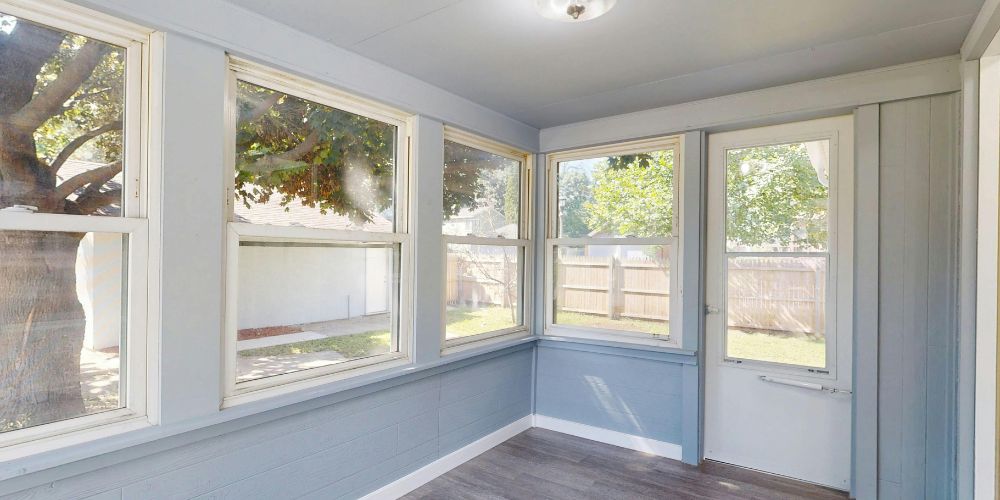
To insulate a window, seal any gaps around the frame, replace inefficient glazing with double or triple glazing, and use Low-E glass to reduce heat transfer. A single-glazed window typically has a U-value of around 5.0–5.7 W/m²K, while modern double glazing can achieve around 1.1–2.8 W/m²K and triple glazing around 0.5–1.0 W/m²K. The lower the U-value, the less heat passes through the window.
The process starts by checking for air leaks around the frame, repairing damaged seals with weatherstripping or silicone, then upgrading the glass if heat is still passing through. For better insulation, use argon-filled double or triple glazing with a 10–16 mm sealed gap and Low-E coating to reduce infrared heat transfer. In hot climates, add solar control glass or external shading to reduce heat entering through sunlight.
Locate the Problem Before Spending Anything
The number of people who buy draught strips, stick them on and then discover the cold was coming from the wall gap and not the frame seal at all is significant. It is an easy mistake. Everything around a window looks like a plausible culprit.
The Candle Test
Light a candle and hold it near the edges of a closed window. Not in the middle of the glass. Along the frame, around the corners, across the bottom sill. If the flame moves, there is a gap at that exact spot. That is the thing to fix.
On a properly windy day the gaps advertise themselves. Curtains moving near closed windows. Cold patches that exist right beside the glass but not a metre away from it. A faint sound that only happens in certain rooms when the wind direction is right.
Start there. The fix becomes obvious once the location is clear.
Draught Strips Are Usually the Right First Move
For a window that lets cold in around the seal, self-adhesive weatherstripping is the fastest intervention available. It goes into the gap between the closing edge of the window and the frame. Close the window, the foam compresses, the draught has nowhere to go.
Ten minutes per window. The cost is genuinely low. The difference tends to be noticeable the same evening.
Matching the Strip to the Window
This is the part people get wrong. Foam strips suit casement windows, the type that swings open on a side hinge. Sash windows are completely different because the panes slide. Stick foam into a sash window mechanism and it will not close properly anymore.
Brush seals work better for sash windows. They seal without blocking the slide. Compression seals give a tighter result if heat retention is the goal rather than just cutting noise.
The real limitation of foam is that it breaks down. Three to four years and it needs replacing. That is fine. For a window that is clearly leaking cold air, getting this sorted in a weekend for a few euros is the right starting point regardless.
Silicone Sealant for the Wall-to-Frame Gap
The gap between the window frame and the surrounding wall is a completely separate issue from anything a draught strip reaches. Strips sit inside the window mechanism. They never touch the perimeter gap at all.
Silicone caulk is what works here. The important thing is that it cures flexible, not rigid. Window frames move slightly with temperature changes through the year. A rigid filler cracks when the frame shifts. Silicone moves with it.
Clean the surface, cut the nozzle at a slight angle, run a bead along the gap in one steady pass and smooth it with a damp finger before it cures. Most silicone can be painted once it sets so the repair does not stand out visually.
This is the kind of job that takes an hour and then gets forgotten about for five years because it does not need revisiting.
Window Film
Window insulation film is a sheet of plastic that sticks across the window opening with double-sided tape and then shrinks tight with a hairdryer until it goes nearly invisible. There is no way to make that sound elegant. It is not.
But what it does is create a still air gap between the film and the glass surface. Still air insulates well. That gap slows the rate at which warmth moves through the glass and disappears outside. The cold feeling that comes off a single-glazed window on a January morning is noticeably reduced.
For windows that do not get opened during winter, this is a reasonable option. The film comes off cleanly in spring, can go back up the following autumn and costs almost nothing to replace even if it does not survive the year.
It will not impress anyone aesthetically. For practical purposes it earns its place.
What Thermal Curtains Do That Regular Ones Cannot
Standard curtains are decorative. The thermal effect is minimal at best and zero at worst. The fabric is too thin and the fit is almost never tight enough against the wall to trap anything.
Thermal curtains have a dedicated insulating inner layer built in. They intercept cold air coming off the glass before it reaches the room and slow the rate at which warm air moves outward through the window.
The Hanging Matters More Than the Fabric
Gaps at the sides cancel most of the benefit. Cold air circulates behind the curtain and the insulating effect breaks down. Thermal curtains need to meet the wall on both sides and drop below the windowsill.
A pelmet above the curtain rail is a small addition that makes a meaningful difference. It stops warm air rising and escaping over the top.
For bay windows where curtains tend to leave gaps at the returns, honeycomb cellular blinds often work better. They fit the window precisely and the pocket structure traps air in layers.
Secondary Glazing When Replacement Is Not an Option
Secondary glazing means adding a second pane inside the existing frame. Nothing is removed. The air gap between the two panes does the insulating work.
This is the practical solution for older properties or any building where the original windows cannot be changed without affecting how the building looks or without planning complications. The outside appearance stays exactly the same. The thermal and acoustic performance inside improves considerably.
The noise reduction is worth noting separately. For homes near busy roads or flight paths, secondary glazing handles two problems at once without needing two separate interventions.
When None of This Is Enough
There is a point where surface treatments stop being the answer and start being an expensive way to delay the obvious.
A double-glazed unit with condensation sitting between the panes has a failed seal. The insulating gas has escaped. No draught strip or sealant changes that. A frame warped badly enough to no longer close flush is not a film problem. Single glazing in a house built decades ago is genuinely not something that strips and curtains can meaningfully compensate for.
Single glazing loses heat at a rate that temporary measures cannot bridge. The gap in thermal performance between it and properly fitted modern double glazing is simply too wide.
Modern double-glazed units with argon fills, Low-E glass coatings and intact compression seals do not manage the problem. They remove it. SEAI has run support schemes for energy efficiency upgrades including windows and checking current eligibility before starting anything expensive is worth doing.
Conclusion
Most of what is in here can be started this weekend without needing anyone’s help. Draught strips, silicone sealant, film, curtains. None of it is complicated and each one makes a real difference when applied to the right part of the window.
Whether to go further depends on the honest condition of the windows. When the window itself is failing, surface treatment just delays the inevitable.
For homeowners past that point, Horizon Windows insulation covers proper assessment and installation across Ireland without the guesswork of figuring out what actually needs doing.