



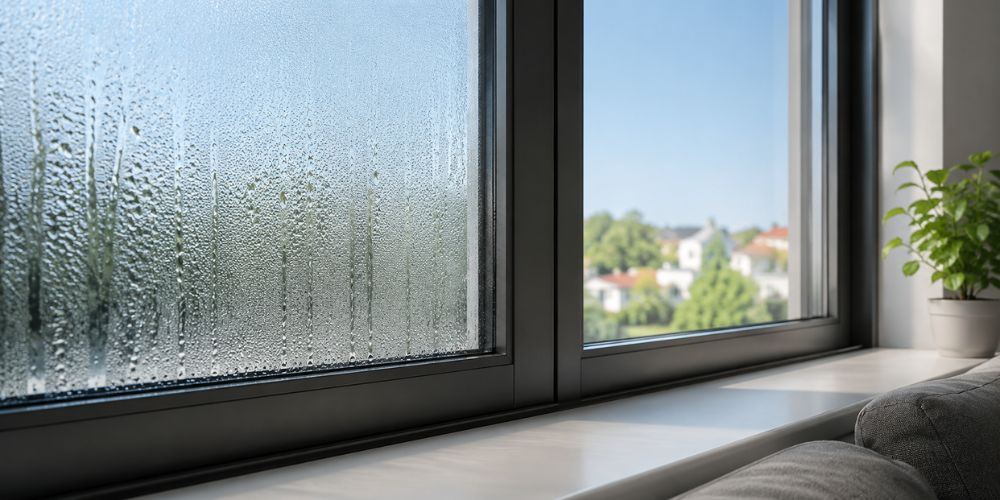
Condensation on aluminium window frames starts as a morning nuisance. The room feels fine at night, the heating has been on and nothing looks wrong. Then the next morning there is water sitting on the lower frame again. A quick wipe sorts it for the moment, but the same damp line comes back as soon as weather turns cold.
That is why many homeowners look at window comfort, glazing and heat loss through local companies such as Horizon Windows. Still, how to stop condensation on aluminium window frames is not only about buying new windows straight away. The first step is working out why that frame keeps becoming the coldest wet spot in the room.
The Frame Is Where Damp Shows Up
Condensation happens when warm indoor air meets a cold surface. Aluminium can cool quickly, especially on older frames. Once the inside edge gets cold enough, the moisture already in the air turns into water.
That is the part many people miss. The frame is not creating the water. It is showing what is already happening in the room.
Start With the Damp Air
Most homes make more moisture than people notice. A hot shower. Pasta boiling on the hob. Wet coats near the door. Clothes drying indoors because the rain has not stopped. A closed bedroom overnight can also hold a lot of moisture by morning.
Small changes can help before the window is blamed. Extractor fans should run while steam is being made, not only after the mirror has fogged. Bathroom doors should stay closed until the damp air clears. Pan lids keep steam down. Clothes should not dry in a shut room beside a radiator unless there is airflow or a dehumidifier.
It is ordinary stuff, but it works because condensation is fed by ordinary habits.
Let the Room Breathe a Little
A warm sealed room can still be a damp room. Keeping every bit of heat inside may feel sensible, but trapped moisture has to land somewhere.
Short ventilation is often enough. A few minutes with two windows open can clear stale bedroom air before it settles back onto the frame. Trickle vents should stay open where fitted. Curtains should not sit tight against the glass all night either, because the air behind them gets cold and still.
The room does not need to be left freezing. It just needs a quick change of air.
Keep Cold Corners Under Control
Condensation gets worse in rooms that swing from warm to chilly. The heating goes off, the air cools and the aluminium frame drops even faster. By morning, the frame becomes the easiest place for moisture to settle.
A low steady heat can be better than a hard blast for an hour. Spare rooms, north facing bedrooms and shaded extensions often need this most. They may not feel damp during the day, but they can turn cold enough overnight.
Check the Window Before Guessing
If the room habits are better and the frame is still wet every day, the window should be checked properly. Old seals can shrink. Vents can block. Small gaps can let cold air gather around the inside edge.
Moisture trapped between panes is different. Surface moisture sits on the room side and can often be reduced. Water inside the glass usually means the sealed unit has failed and needs attention.
Older aluminium frames may also lack a thermal break. Modern systems use improved glazing, tighter seals and insulated frame design to keep the inner edge warmer. That gives moisture less chance to turn into droplets.
When New Frames Feel Sensible
Some homes improve with better ventilation, steadier heat and less indoor drying. Others keep going back to the same wet frames every winter. At that point, replacement is not just about style. It is about making the window area feel normal again.
Better insulated Aluminium Windows can reduce cold edges, support a warmer room and cut down daily wiping on winter mornings.
Conclusion
There is no clever trick that fixes every wet frame overnight. The better answer is usually a mix of simple things done consistently. Less steam in the room. A quick air change. Steadier warmth. Clean vents. Sound seals. A frame that is not constantly cold inside.