


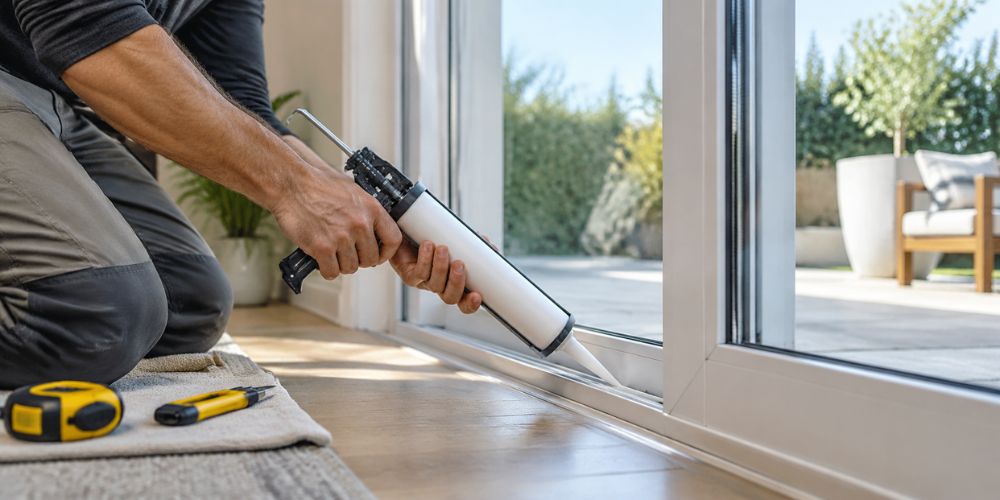
Patio doors are effectively a huge pane of glass placed on hinges so when the seal fails the whole room feels it very immediately. Cold air doesn’t sneak up silently either. It pools along the floor, curls round ankles and turns a cosy sitting room into somewhere nobody wants to sit for long. Most homeowners feel the draught long before they find the gap causing it.
Sealing a patio door properly is rarely a job for a specialist tradesperson. Most of the time it just needs a screwdriver, decent weatherstripping and a free afternoon. Anyone weighing up options before starting could do worse than a quick browse of what Horizon Windows currently offer.
Why Draughts Creep In Around Patio Doors
Irish winters are hard on old seals. Worn weatherstripping is usually the first thing to go, compressed flat by years of use until it no longer presses against the frame the way it did on day one. uPVC and timber both shift with the seasons too, swelling a little in summer and pulling back in winter, which opens up hairline gaps that weren’t there at installation. Rollers drop. Sealant shrinks and cracks along the outer edge. None of it happens overnight, which is exactly why most people don’t notice until the draught is impossible to ignore.
The Tell-Tale Signs A Reseal Is Overdue
A patio door rarely fails all at once. It’s more of a slow leak than a sudden break. The warning signs tend to show up in roughly this order:
- A draught at ankle height, even with the door shut tight
- Heating bills that creep up for no obvious reason
- Misting or condensation on the inside of the glass
- A faint whistle when the wind picks up outside
- Actual daylight visible through the join between panels
What The Job Actually Needs
Nothing exotic here. Most of it comes from a single trip to a hardware shop:
- Replacement weatherstripping, in foam, brush pile or compression rubber
- A flathead screwdriver
- Exterior-grade sealant and a caulking gun
- A stiff brush or a vacuum with a narrow nozzle attachment
- A tape measure, for getting the strip width right the first time
Sealing A Patio Door Step By Step
None of these steps take long on their own. Rushing them is what leads to a redo six months later.
Clear Out The Old Seal First
Dust, grit and old flaking sealant all need to come out before anything new goes in. A stiff brush handles most of it, while old adhesive comes off with a plastic scraper, without scoring the frame underneath.
Fit The New Weatherstripping
Old, flattened strips get peeled off completely, never layered over. The new strip presses into the groove working from one corner round to the next, so it sits evenly along the whole run instead of bunching up halfway.
Caulk The Gaps That Remain
Along the outer join, where the frame meets the wall, a thin bead of exterior sealant closes what weatherstripping alone can’t reach. The bead gets smoothed flat with a damp finger before it skins over.
Adjust The Rollers And Track
When a door won’t sit flush, it’s usually a roller problem dressed up as a seal problem rather than a genuine draught issue. The adjustment screws sit along the bottom edge. Turning them slightly, either way, lifts or drops the panel back into line.
Finish With A Door Sweep
A sweep along the bottom blocks both draughts and water at ground level. It should brush the threshold rather than drag against it, since too tight a fit turns opening the door into a daily struggle.
Not All Seals Are Equal
Different parts of the door call for different seals. Using the wrong one is one of the most common reasons a reseal job doesn’t last.
When The Problem Is Bigger Than A Seal
Some patio doors need more than a fresh strip of foam. Warped frames, glass that has lost its internal seal or hinges that won’t hold adjustment usually point to something deeper. It’s worth reading up on drafty windows generally and on home insulation too, before deciding whether a repair or a full replacement makes more sense in the long run.
Conclusion
A properly sealed patio door pays for itself in lower heating bills within a single winter. The room feels warmer every day after that too, which is easy to take for granted once the draught is gone.
Most of what applies here works for smaller fixes as well. Sticking handles and uneven closes are often solved through the same guide to door adjustments used for a full reseal.
Anyone unsure whether their current door is worth saving should start with the frame, the rollers and the seals, in that order. When a door has genuinely reached the end of the road though, a new set of patio doors is usually the more sensible long-term fix, with none of the quirks of the old one.