


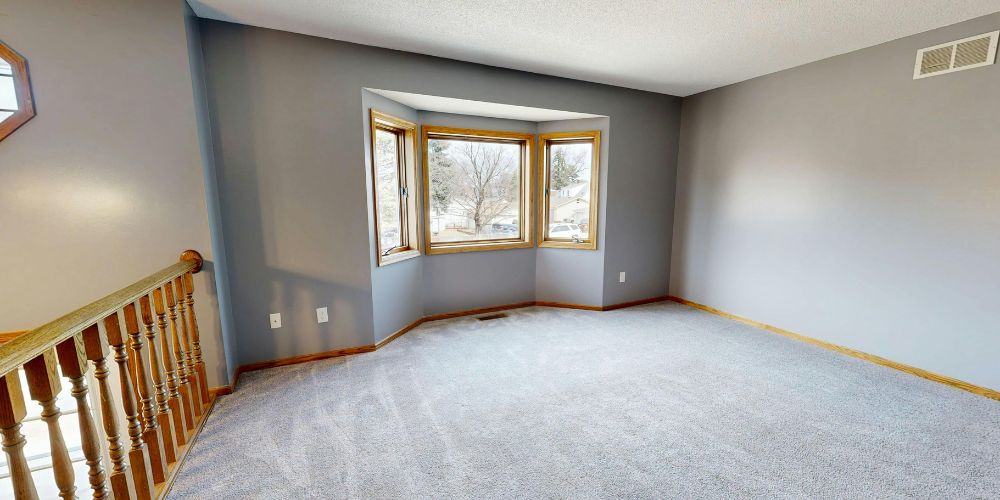
Some rooms feel crowded long before they are crowded. There may be enough floor space. The furniture fits. Nothing looks wildly out of place. Still, the room can feel a little tight, a little dim, maybe harder to enjoy than it should be.
People usually call that a space problem. A lot of the time, it is not. It can be a light problem. A layout problem. A sightline problem. Sometimes it is simply the feeling of four flat walls closing a room in more than they need to. That is why bay windows often have such a strong effect on smaller rooms. In fact, Horizon Windows knows the matter from getting positive reviews from their customers regarding it.
They do not rely on adding huge square footage. They change how the room is experienced day to day, which is usually what people are reacting to in the first place.
Some Rooms Feel Smaller Than They Measure
Measurements tell one story. Living in a room tells another.
Two rooms can be almost identical in size, yet one feels open and easy while the other feels awkward and slightly cramped. Most people have experienced this without knowing exactly why. It happens because people do not experience rooms like surveyors.
They experience them through light, movement, comfort and mood. If a room feels dark, it often feels smaller. If furniture interrupts movement, it feels tighter. If walls seem close, the room feels closed in.
Bay windows improve several of those issues at the same time. That is why the change often feels bigger than the physical alteration itself.
The Wall Stops Feeling So Close
A flat external wall can make a compact room feel final. The eye reaches the wall and stops there. Window or no window, the boundary feels clear and close. Bay windows push that line outward. Even a modest projection gives the eye somewhere further to travel.
That matters more than many expect. Human perception responds strongly to depth. When the room no longer ends at one straight line, it tends to feel less compressed. People often describe this as the room “opening up.” Usually, what they are noticing is simple visual depth.
Light Enters Like It Means It
Small rooms rarely need less furniture first. They often need better light first. When daylight only comes through one flat opening, parts of the room stay dull. Corners darken. Surfaces feel heavier. The room can seem smaller than it really is.
Bay windows gather light from different angles. Front light enters, side light enters too. That wider spread reaches deeper into the room and softens shadowed areas that make the space feel tighter. The effect is immediate on overcast days and winter afternoons, when ordinary windows sometimes struggle most. Many people repaint small rooms trying to make them brighter. Sometimes the room was asking for daylight, not a new colour.
Views Make A Difference Indoors
A room can feel smaller when all attention stays inside it. Flat wall. Furniture. Opposite wall. That is the whole visual loop. Bay windows widen the loop.
They open views to the side as well as forward. More sky appears. More garden. More movement outside. Even a street scene can help because it adds distance and change. The eye naturally follows what is open. That outward pull creates a sense of spaciousness inside the room itself.
This is one reason many homeowners choose your Aluminium bay windows when they want to improve how a room feels, not merely replace an old unit. Sometimes space is created by perspective.
The Middle Of The Room Clears Up
Small rooms often suffer because the centre gets crowded first. A chair drifts inward. Storage units steal floor area. Side tables appear where walking space should be. Nothing seems dramatic, but the room starts feeling busy.
Bay windows create useful edge space. That area may become a reading nook, bench seating, built-in storage, a plant zone orsimply a clear feature area that allows furniture elsewhere to sit more sensibly.
When the edges work better, the centre usually clears. And once the centre feels open, most people read the room as bigger. That reaction is almost automatic.
Shape Changes More Than Style
A simple rectangular room can be practical. It can also feel plain and rigid.
Bay windows break that box shape. They introduce angles, depth and a feature that gives the room more character. This is not only about appearance.
Rooms with variation often feel softer and more inviting. People relax differently in them. The space feels considered rather than basic. That emotional response matters because comfort and spaciousness are closely linked. If a room feels easier, it often feels larger too.
Slim Frames Help Quietly
Older window designs can look heavy. Thicker frames mean less glass, less daylight and more visual bulk around the opening. Modern slimmer systems reverse that balance. More glass becomes visible, while the frame steps back.
It sounds minor. In smaller rooms, minor things can have major effects. Less visual heaviness often means a lighter-feeling space overall.
Why People Notice It Straight Away
Some upgrades need months before anyone feels the benefit. Bay windows usually do not. The first reaction is often simple. The room feels brighter. Then another reaction follows. It feels bigger somehow.
That “somehow” is several small improvements happening together. More light. More depth. Better views. Softer shape. Easier layout. None of them need to be dramatic alone. Together, they are convincing.
Final Thoughts
Bay windows make small rooms feel bigger because they improve the human side of space. They move the wall outward visually. They bring daylight deeper inside. They widen views, clear the centre of the room and soften boxy layouts.
The tape measure may show only modest change. Daily experience often tells a much bigger story.